

-
ABOUTYuanYang Cable Co., Ltd. was established in 2007. It is a comprehensive high-tech company specializing in production, manufacturing, R&D and sales.

-
HONORSYuanYang Cable Co., Ltd. was established in 2007. It is a comprehensive high-tech company specializing in production, manufacturing, R&D and sales.
-
PRODUCTSYuanYang Cable Co., Ltd. was established in 2007. It is a comprehensive high-tech company specializing in production, manufacturing, R&D and sales.
-
NEWSYuanYang Cable Co., Ltd. was established in 2007. It is a comprehensive high-tech company specializing in production, manufacturing, R&D and sales.
-
SUPPORTYuanYang Cable Co., Ltd. was established in 2007. It is a comprehensive high-tech company specializing in production, manufacturing, R&D and sales.
-
CONTACTYuanYang Cable Co., Ltd. was established in 2007. It is a comprehensive high-tech company specializing in production, manufacturing, R&D and sales.
Contact Us
Office Phone:
+86-319-5480188, +86-319-5480199
+86-319-5480998, +86-319-5480297
Phone: +86-15933716789
E-mail: zhaoyuan188@126.com
Address: Industrial Zone, Jiajiakou Town, Ningjin City, Xingtai City, Hebei Province
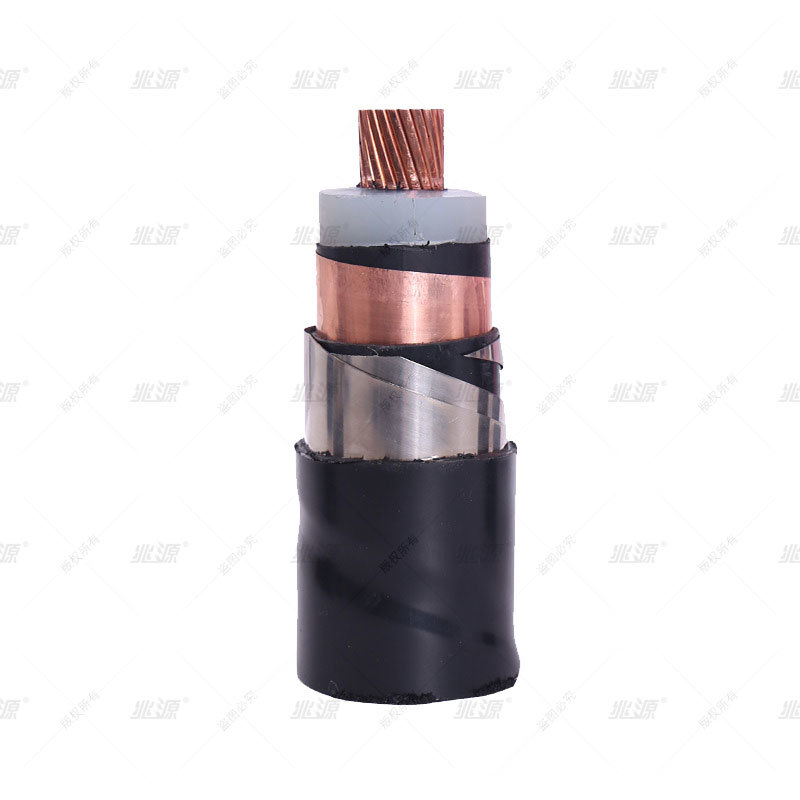
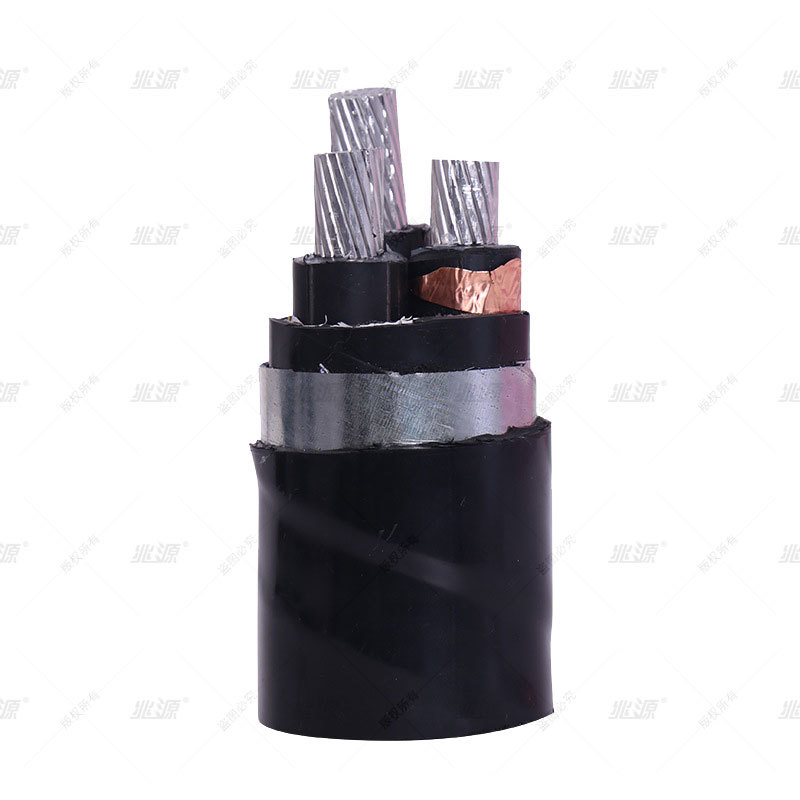
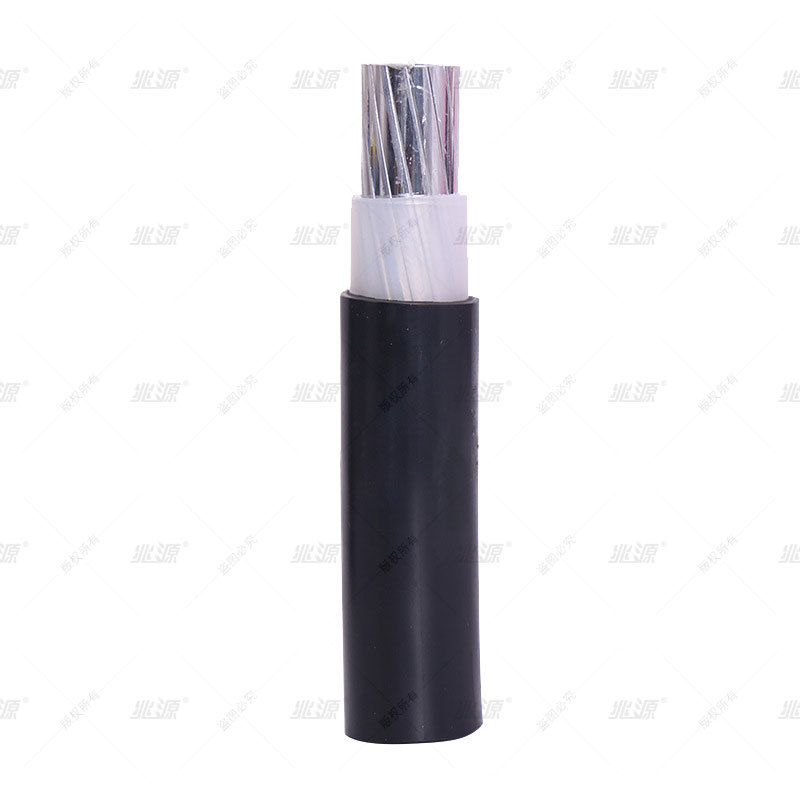
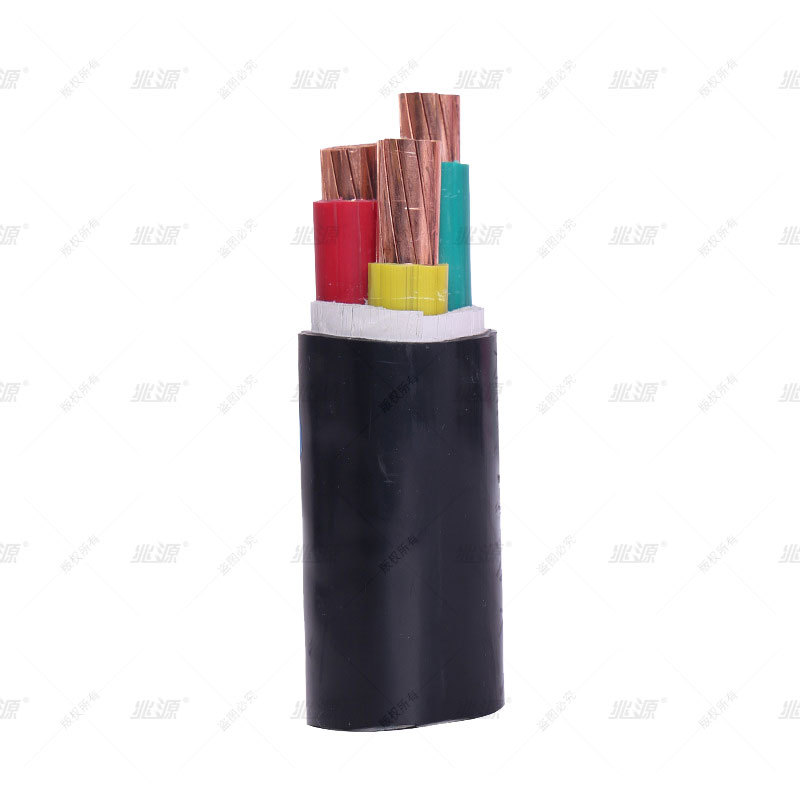
VV Three-core insulated cable
Key words:
Classification:
- Description
-
Description of use
XLPE insulated power cable not only has excellent electrical properties, mechanical properties, heat aging resistance, environmental stress resistance and chemical corrosion resistance, but also has a simple structure, easy to use, not limited by the laying drop, long-term working temperature High (90 degrees), large transmission capacity and other advantages, XLPE insulated power cable products include a full range of flame retardant and non-flame retardant XLPE insulated power cables.
Executive standard
The performance of the XLPE insulated (flame retardant) power cable conforms to the national standard GB/T12706.1-2008, which is equivalent to IEC60502-2004, and the flame retardancy conforms to the national standard GB/T19666-2005.
Scope of application
★ System: This product is suitable for power transmission in power lines with AC 50Hz and rated voltage of 0.6/1KV (the highest system voltage is 1.2KV).
★ Occasion: Laying in metallurgy, electric power, construction and other industries indoors, cable trenches, pipelines, direct burial and fixed use occasions that cannot withstand mechanical external force.Use features
★ Rated voltage: The rated voltage of power frequency AC is 0.6/1KV, and the maximum voltage of the AC system should not exceed 1.2KV.
★ Working temperature: The long-term allowable maximum working temperature of the cable conductor is 90℃. During short circuit, the maximum temperature of the cable conductor is 250℃, and the duration does not exceed 5s.
★ Ambient temperature: The lowest ambient temperature for cable operation is -10℃.
★ Laying temperature: When installing and laying, the temperature should not be lower than 0℃.
★ Bending radius: recommended minimum bending, single-core cable bending radius does not exceed 20D, multi-core cable bending radius does not exceed 15D.
Product inquiry
CONTACT US
Office Phone:
+86-319-5480188, +86-319-5480199
+86-319-5480998, +86-319-5480297
Phone: +86-15933716789
E-mail: zhaoyuan188@126.com
Address: Industrial Zone, Jiajiakou Town, Ningjin City, Xingtai City, Hebei Province

Mobile Website